

What's the Difference Between a Boiler Service and Gas Safety Check?
A common question is "What's the difference between a boiler maintenance service and a gas safety check?" A gas safety check is the minimum requirement to be carried out on any gas appliance every 12 months. An engineer certified by the EPA checks the general safety of gas and that the appliance is functioning in the way it was intended to.
Peace of mind
A boiler service gives you peace-of-mind that your heating system will be used in a safe manner. It can also help you reduce your energy costs by ensuring that your heating system is operating efficiently. A boiler that is regularly maintained is less likely to break down, which can be a costly and a huge expense for homeowners.
A gas safety certificate, also known as a CP12, is an official document that confirms the security of your home's gas appliances and installations. A Gas Safe registered engineer will usually issue the certificate after an exhaustive examination and inspection. The CP12 will include details about the location where the safety check was conducted and the name and registration number of the engineer who conducted the safety inspection.
Although a gas safety certificate is not required by law for homeowners however it is recommended to have one annually. This will ensure your boiler is safe and you don't run the risk of gas or carbon monoxide leaks. Certain home insurance policies require a gas safety certificate before they can be able to honor the warranty for your boiler.
Landlords, on the other hand are legally required to have an annual gas safety inspection carried out by a Gas Safe registered engineer every year. It is crucial to ensure that gas appliances, flues, and fittings in a property are safe for use by tenants. If a landlord fails to have their gas appliances checked and certified by an Gas Safe registered engineer, they could be subject to charges or even prosecution.
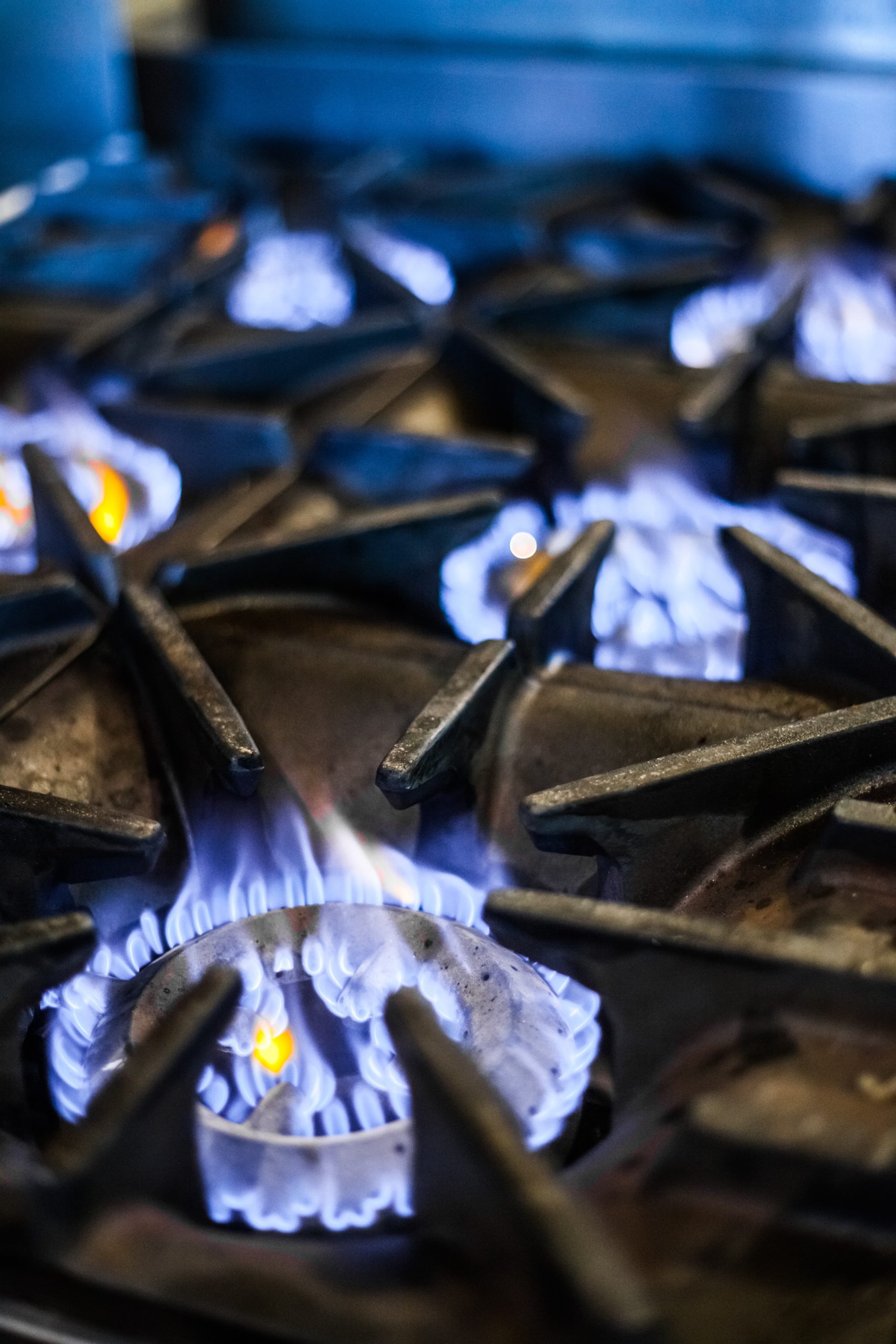
A gas safety inspection will look at a variety of things, including the pilot light on your boiler, to make sure that it is burning blue and not yellow, orange, or red. It will also check the ventilation passages to ensure that combustible gases are properly ejected from the premises, as well as checking the pressure of the burner and gas supply. In addition the gas engineer will check the flues to ensure that they are free of obstruction and not blocked with materials that ignite.
Legal compliance
It is essential to comply with the legal requirements, whether you're a landlord or the responsible person for an industrial installation. This will protect the safety of workers and the occupants. This includes making sure that gas appliances are in good working in good condition and safe. This means having regular boiler maintenance and a annual gas safety check. In addition to ensuring the safety of occupants, it's also a great method to ensure your system is running efficiently and prevent costly repairs or replacements.
Landlords are required to have a gas safety inspection performed on all gas appliances, fittings and flues at their properties every year. The safety inspection must be carried out by an Gas Safe registered engineer and is designed to ensure that the appliance is conforming to all legal standards. Landlords must also give new tenants the gas safety certificate prior to when they move in, and maintain the records of each inspection for two years.
A gas safety certificate every year is also a great idea for homeowners who are planning to sell their home in the near future. The certificate proves that the boiler, and all gas appliances have been tested and are safe to use. It can be helpful when trying to sell your home or claim warranty repairs.
It is important to know the difference between a gas safety certification and a boiler service. Both processes check and service gas boilers, however the scope, function and legal implications are distinct. The boiler service is a routine maintenance and the gas safety certificate is legally binding document that ensures the safety of all gas appliances and installations within the property.
Understanding the difference between these two processes is vital for homeowners and landlords to ensure safety, efficiency, and legal compliance. If you are aware of the distinction between these two documents you can ensure that your property is up to date with the most current gas safety regulations. Tradify has a large library of gas certificates and forms that you can easily create, fill out and sign online.
Energy efficiency
A boiler service is an excellent method to keep your heating system in top condition. Not only will it ensure that your heating system is safe and secure however, it can aid in saving energy bills. Inefficient boilers can cause bills for energy to rise significantly because they consume more fuel than is necessary. If you keep regular maintenance on your boiler, it will run more efficiently, meaning you won't require as much energy to heat your home or commercial property.
A gas safety certificate is required for all landlords who have properties with gas appliances, and it is legal document that proves the appliances and installations in the building are safe to use. The certificate also identifies the engineer who conducted the inspection and gives details of any issues that were found. This information is crucial to ensuring that any potential hazards are identified and addressed quickly.
It is crucial for landlords to obtain an official gas safety certificate. It is recommended that homeowners also obtain one. This will give them peace of heart about the safety of their appliances and could detect any issues before they grow into larger ones. A gas safety check is a possibility to book in conjunction with a boiler service or it can be done on its own.
Gas safety checks are different from boiler services in that they inspect all gas appliances and make sure that they are safe for use. This includes examining for leaks, checking to see whether the flues are blocked, and making sure that there is enough ventilation.
A boiler service On the other hand is a more comprehensive check of the boiler and its accessories. This includes removing the front cover of the boiler, checking that the inside is clean and making sure that the burners are operating properly. The engineer will also take measurements of the gas pressure and flow settings, and check that there is a blue flame for the pilot. They will also inspect for corrosion or damage to the pipework or seals, as well as ensuring that there is sufficient air flow around the flue's terminals.
Safety
In the UK, it is legally required for landlords to get an gas safety certificate and regularly service their tenants' boilers. how long does a gas safety certificate last will help ensure optimal performance and reduce energy costs and ensuring that your heating system is operating efficiently and safely. Certain home insurance policies require it.
A boiler service usually involves the engineer making sure that all the gas appliances within a home are safe to use. The engineer will check the boiler for signs like corrosion or leakage and ensure that the pilot flame is always blue. The engineer will also ensure whether the boiler has the proper gas pressure and that it isn't producing excessive carbon monoxide. They will also test the ignition system to ensure that it is powerful enough to ignite gas and ensure that the burners are clean.
It is worth noting that a boiler service doesn't necessarily require a Gas Safety Certificate, and a separate appointment will need to be scheduled for this. Gas safety certificates allow for an inspection that is more thorough of all gas appliances within the house, even those that do not require maintenance. It also covers larger installations such as central heating systems and fires.
Gas Safety Certificates are required by law before landlords can rent out a property. The certificate should be provided to each of the tenants and kept in a secure place to be able to refer to in the event of an issue with the appliance.
In lieu of keeping paper-based documents, a few property owners are choosing to store digital versions of their gas certificates. This is a great way to increase efficiency, security, and storage. The document is also easier to locate if needed, and it's less likely to get lost or damaged during moving. It is also useful to have an electronic copy of the gas certificate if you are selling your property. This makes it much easier to transfer ownership. It is also possible to upload it to your online tenancy tracker, so that prospective buyers can see an up-to-date Gas Safety Certificate when they visit.